
silver circle wall mirror
Understanding the Importance of Opening Water Valves in Efficient Hydraulic Systems Water valves are critical components in various hydraulic systems, ensuring the proper flow and management of water in residential, commercial, and industrial applications. The act of opening a water valve may seem trivial at first glance, yet it plays a significant role in maintaining efficiency, safety, and functionality in numerous contexts. This article explores the importance of opening water valves, the different types available, and best practices for managing them effectively. At its core, a water valve controls the flow of water through pipes. When we refer to “opening a water valve,” we typically mean allowing water to flow freely into a system, whether for irrigation, plumbing, or industrial usage. In plumbing, for instance, opening the main water valve can lead to the activation of various fixtures around the house, such as faucets, washing machines, and dishwashers. Proper management of these valves is essential to ensure all systems operate smoothly, avoiding leaks and water wastage. Understanding the Importance of Opening Water Valves in Efficient Hydraulic Systems There are various types of water valves that serve distinct purposes. The most common include gate valves, globe valves, ball valves, and check valves. Each type has its advantages and specific application scenarios. For example, gate valves are often used for applications where minimal pressure drop is required, as they allow for a straight-line flow. In contrast, ball valves are well-known for their durability and ability to provide a tight seal, making them ideal for applications requiring complete shutoff. open water valve It is vital to note that opening water valves should be done with caution. Improper handling can lead to water hammer—a phenomenon caused by a sudden change in water flow that can cause significant pressure surges. This may result in damaged pipes and fittings, leading to costly repairs and water damage. To mitigate these risks, it is essential to open valves gradually and monitor the system’s response. Moreover, regular maintenance of water valves is crucial for their longevity and functionality. Over time, debris can accumulate within the valve or pipeline, causing blockages that impede water flow. Regular inspections and cleanings can help prevent these issues and ensure that when a valve is opened, it operates without complications. Additionally, checking for leaks around valve seals can help maintain the health of the overall plumbing system and conserve water. Another key aspect to consider is the role of water valves in emergency situations. Knowing how to quickly open or shut off water valves can be crucial in preventing significant property damage during leaks or burst pipes. Homeowners and facility managers should familiarize themselves with the locations and functions of all water valves in their systems. Regular drills can also prepare individuals to act swiftly in case of an emergency, reducing the risk of severe water damage and related hazards. In industrial settings, the importance of proper valve management is even more pronounced. Here, water valves are often part of larger systems involving chemicals or specialized liquids. The ability to control flow rates meticulously can be vital to maintaining safety and efficiency in industrial processes. Therefore, extensive training on valve operation and the implications of opening and closing them is imperative for operators. In conclusion, while the act of opening a water valve might seem simple, its implications are far-reaching. It is essential for controlling water flow, preventing damage, managing resource usage, and ensuring the smooth operation of various systems. By understanding the different types of valves, embracing best practices for their use, and prioritizing maintenance, individuals and organizations can harness the benefits of water valves effectively. Whether in a residential setting or an industrial application, the prudent management of water valves is fundamental to both efficiency and safety.
about
silver circle wall mirror
Hydraulic systems are critical components in modern industrial and infrastructure applications, requiring precise control of fluid flow to ensure safety, efficiency, and longevity. Among the essential elements in these systems is the slow-closing check valve , a device designed to regulate flow by preventing backflow while minimizing pressure surges. This article explores the innovative 300X slow-closing muffler check valve developed by Storaen (Cangzhou) International Trading Co., highlighting its technical specifications, applications, and the company's commitment to quality and innovation. Key Features and Functional Advantages The 300X slow-closing muffler check valve is engineered with a novel structure that addresses common challenges in hydraulic systems, such as water hammer and excessive resistance. Its standout features include: Superior Sealing Performance : The valve's design ensures a tight seal, preventing leakage and maintaining system integrity under high-pressure conditions. Low Flow Resistance : Optimized internal geometry minimizes energy loss, allowing for smooth fluid flow and improved system efficiency. Adjustable Closing Speed : Users can fine-tune the valve's closing mechanism to match specific operational requirements, reducing wear and tear on downstream components. Water Hammer Mitigation : By controlling the rate at which the main valve closes, the device effectively dampens pressure surges, extending the lifespan of pipes and equipment. Durable Construction : High-quality materials and advanced manufacturing techniques ensure long-term reliability in demanding environments. Technical Specifications Parameter Specification Model 300X Slow-Closing Muffler Check Valve Flow Rate Up to 1200 GPM (depending on size) Pressure Range 0-150 psi Materials Stainless steel, brass, and reinforced polymer components Operating Temperature -20°C to 80°C Connection Type Flanged or threaded (customizable) Adjustable Closing Time 0.5-10 seconds (user-configurable) Applications in Industrial and Infrastructure Systems The versatility of the 300X slow-closing muffler check valve makes it suitable for a wide range of applications, including: Water Treatment Plants : Preventing backflow in pumping systems and reducing pressure spikes during shutdowns. Oil and Gas Pipelines : Ensuring safe and efficient flow control in high-pressure environments. Power Generation : Protecting turbines and generators from water hammer effects in cooling systems. Manufacturing Facilities : Maintaining consistent fluid flow in hydraulic machinery and automated systems. Fire Suppression Systems : Regulating water flow to prevent damage from sudden pressure changes. Company Background: Storaen (Cangzhou) International Trading Co. Founded in 2005, Storaen (Cangzhou) International Trading Co. has established itself as a leader in the supply of industrial valves and hydraulic components. With a focus on innovation and quality, the company serves clients across North America, Europe, and Asia. Their commitment to research and development ensures that products like the 300X slow-closing muffler check valve meet the highest standards of performance and reliability. Storaen's expertise in hydraulic systems is complemented by its adherence to international standards, including ISO 9001:2015 and ASME. The company's state-of-the-art manufacturing facilities and rigorous quality control processes guarantee that every product delivers exceptional value to customers. Industry Standards and Regulatory Compliance The 300X slow-closing muffler check valve is designed to comply with global industry standards, ensuring compatibility and safety in diverse applications. Key certifications include: ISO 9001:2015 : Quality management system certification. ASME B16.34 : Standards for valves used in piping systems. API 602 : Specifications for compact gate, globe, and check valves. For further insights into hydraulic system standards, refer to the National Institute of Standards and Technology (NIST) , which provides critical research and guidelines for industrial applications. Expertise and Innovation in Hydraulic Technology According to NIST , "Hydraulic systems require precise control mechanisms to ensure operational safety and efficiency. Innovations in valve technology, such as slow-closing designs, play a pivotal role in mitigating risks associated with pressure fluctuations and system failures." The 300X slow-closing muffler check valve exemplifies this innovation by integrating advanced engineering principles to address real-world challenges. Storaen's commitment to innovation is evident in its collaboration with leading research institutions and its investment in cutting-edge manufacturing technologies. This approach ensures that the company remains at the forefront of hydraulic system advancements. Conclusion The 300X slow-closing muffler check valve represents a significant advancement in hydraulic technology, offering unparalleled performance, reliability, and adaptability. Its unique design and robust construction make it an ideal solution for industries where precision and safety are paramount. By partnering with Storaen (Cangzhou) International Trading Co. , businesses can leverage cutting-edge valve technology to enhance system efficiency and reduce operational risks. References National Institute of Standards and Technology (NIST) . (n.d.). Hydraulic Systems and Pressure Control. Retrieved from https://www.nist.gov .
-

High quality industrial productsagement

High quality industrial products
View Details -

Meet the diverse needs of customers

Meet the diverse needs of customers
View Details -

Strict quality control

Strict quality control
View Details -

Top raw materials

Top raw materials
View Details -

Trusted supplier

Trusted supplier
View Details
Our application

news and information
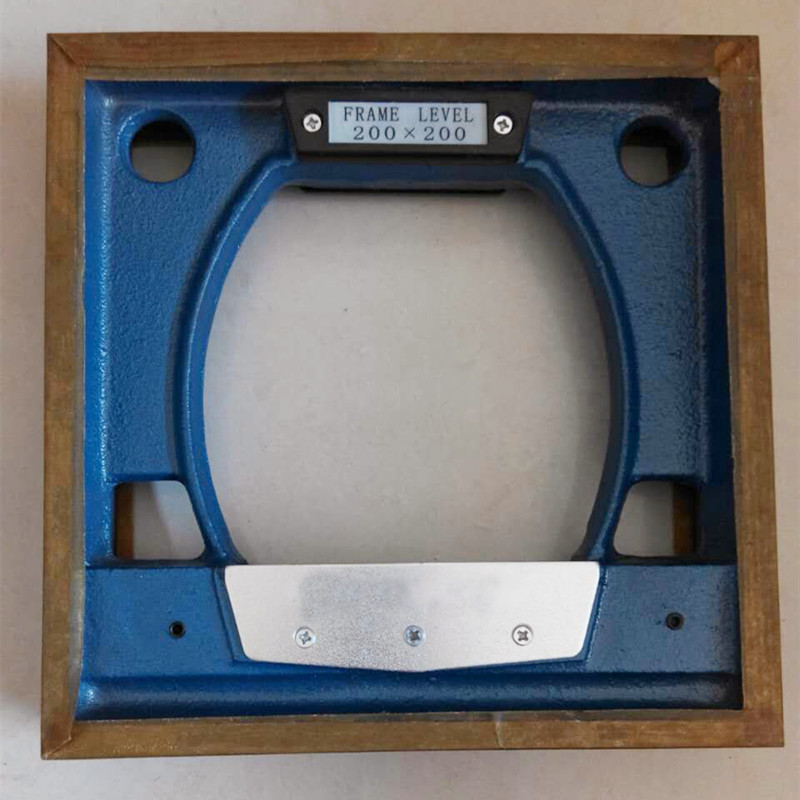
Water Cut Off Valve - Comprehensive Guide and Best Practices
Understanding Water Cut-Off Valves Their Importance and Functionality Water cut-off valves are essen
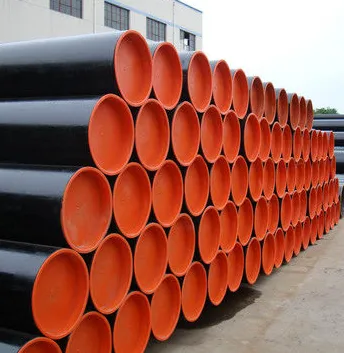
water valve types
Understanding Water Valve Types A Comprehensive Guide Water valves are critical components in plumbi

Válvula de retención 8an y su importancia en sistemas hidráulicos.
8an check valve .
 English